PWWSD
Commitment to Global Agendas and Sustainability

Aligned with Global Commitments

Every PWWSD program is anchored in the UN Sustainable Development Goals, CEDAW, the Beijing Platform for Action, UNSCR 1325, and the broader architecture of international human rights law.

SDG 5
Core Goal
+9
Linked Goals
12
CEDAW Articles Implemented
45yr
Track Record
SDG ALIGNMENT

How Our Work Links to the SDGs

PWWSD programs directly advance ten of the 17 Sustainable Development Goals — with SDG 5 (Gender Equality) as the central thread running through all our work.

PWWSD Women Programs

Our Programs in the SDG Framework

PWWSD aligns its work with the Sustainable Development Goals (SDGs) and international human rights frameworks, ensuring a lifecycle approach that addresses the needs of women/young women, adolescent girls, and children. While SDG 5 (Gender Equality) remains central, PWWSD’s programming also advances key SDGs that directly impact the well-being, safety, inclusion, and futures of girls and young women. Contribution to Sustainable Development Goals: PWWSD’s 2021–2026 strategic objectives and long-term vision are directly linked to the SDGs, with a primary focus on gender equality, economic participation, leadership, and freedom from violence. The organization contributes to poverty reduction through decent work and income generation, and to social cohesion through rights-based advocacy, partnerships, and community mobilization. To achieve these goals, PWWSD strengthens its impact via partnerships with official institutions, civil society, and international stakeholders operating within the same framework.


SDG 01

No Poverty

PWWSD works to reduce poverty by empowering women economically, especially those heading households in marginalized areas. Microfinance support and vocational training help them establish small enterprises. Economic empowerment programs e.g., livelihood projects target marginalized women, reducing poverty by fostering self-reliance.

SDG 03

Good Health and Well‑Being

PWWSD advances adolescent girls’ health and psychosocial well-being through age-appropriate health education, life-skills development, and positive parenting support for caregivers. Programming includes individual and group psychosocial support, peer clubs, and the creation of safe community spaces where girls can connect, learn, and heal. Robust referral pathways link participants to primary health care, protection, and specialized services.

SDG 04

Quality Education

PWWSD promotes women’s and girls' access to education, with programs that build knowledge on gender rights, leadership, and entrepreneurship. The "Student Support Program" offers scholarships to underprivileged students (82 beneficiaries in 2024), while workshops enhance skills for employment.

SDG 08

Decent Work and Economic Growth

Through training programs, cooperative development, support for women's entry into the labor market, and advocacy for labour rights (e.g., amendments to the Palestinian Labor Law), PWWSD fosters sustainable economic empowerment and decent work for women, particularly in informal sectors.

SDG 10

Reduced Inequalities

Ensuring equitable access for marginalized women and girls is a core priority. PWWSD designs inclusive services for women and girls with disabilities, women and girls in rural or Area C locations, and those from low-income households. Practical enablers—such as transportation stipends, accessible materials, and tailored outreach—are integrated to close participation gaps.

SDG 11

Sustainable Cities & Communities

PWWSD collaborates with communities to make public spaces safer for women and girls by co-developing safe routes to school, advocating for improved public lighting, and creating welcoming, supervised gathering spaces. Recognizing the importance of safety in digital environments, the organization also equips young women and girls with digital literacy and strategies to prevent online harassment and exploitation.

SDG 16

Peace, Justice and Strong Institutions

PWWSD works to prevent violence against girls by strengthening community safeguarding, case management, and referrals to woman and child protection services. PWWSD also documents Israeli violations against women, advocates for accountability, and aligns its advocacy with UNSCR 1325 and Youth, Peace & Security principles to ensure women and girls’ rights are protected in the Palestinian context.

SDG 17

Partnerships for the Goals

PWWSD amplifies impact through collaboration with ministries of education, health, and social development; municipalities; community-based organizations; academic partners; and international agencies. Joint programming, coordinated policy advocacy, and shared data systems strengthen service delivery and influence systemic change for girls and young women.

Cross-Cutting Principles

Across all SDGs, PWWSD applies rights-based and survivor-centered approaches, adheres to Do No Harm standards with robust safeguarding and ethical referral pathways, and prioritizes localization through meaningful community participation—including the engagement of women and girls’ advisory groups to co-design solutions. Data is disaggregated by age, location, disability, and vulnerability to ensure equity, monitor inclusion, and guide continuous improvement.

SDG 05

Gender Equality

  • PWWSD ensures that females constitute at least 50% of the total beneficiaries of its programs and projects, and implements girls-only and women-only interventions where appropriate.
  • PWWSD strategic programs focus on political participation, economic empowerment, and eliminating gender-based violence (GBV). The organization fosters leadership among women and promotes their participation in political and public life.
  • In 2024, the percentage of female beneficiaries from the organization's projects reached approximately 87%, and females constitute more than 85% of the total number of employees. The organization aims to strengthen women's roles, empower them, and create decent work opportunities for them.
  • PWWSD conducts awareness campaigns and community mobilization to transform social norms and eliminate discrimination against women.
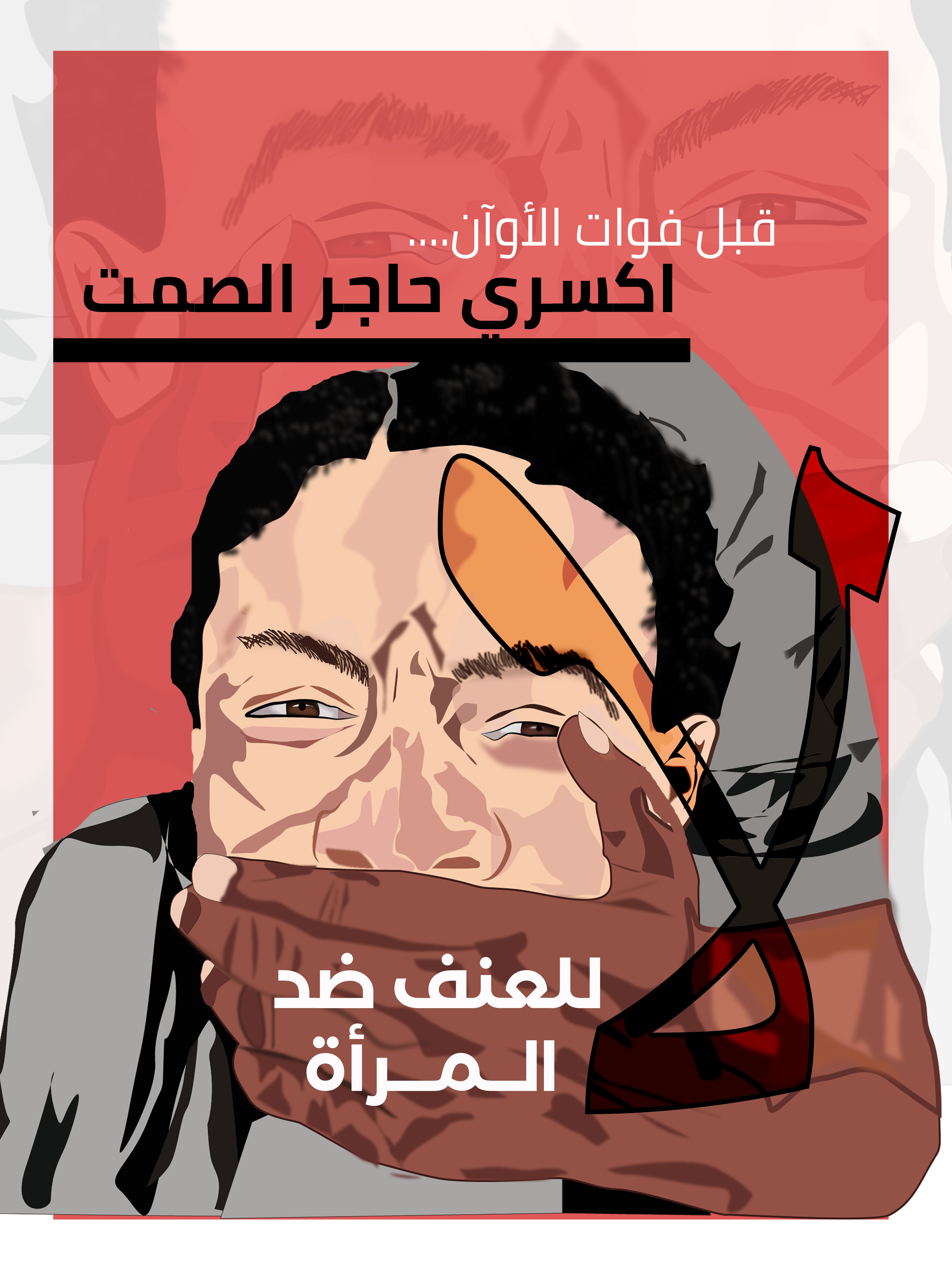
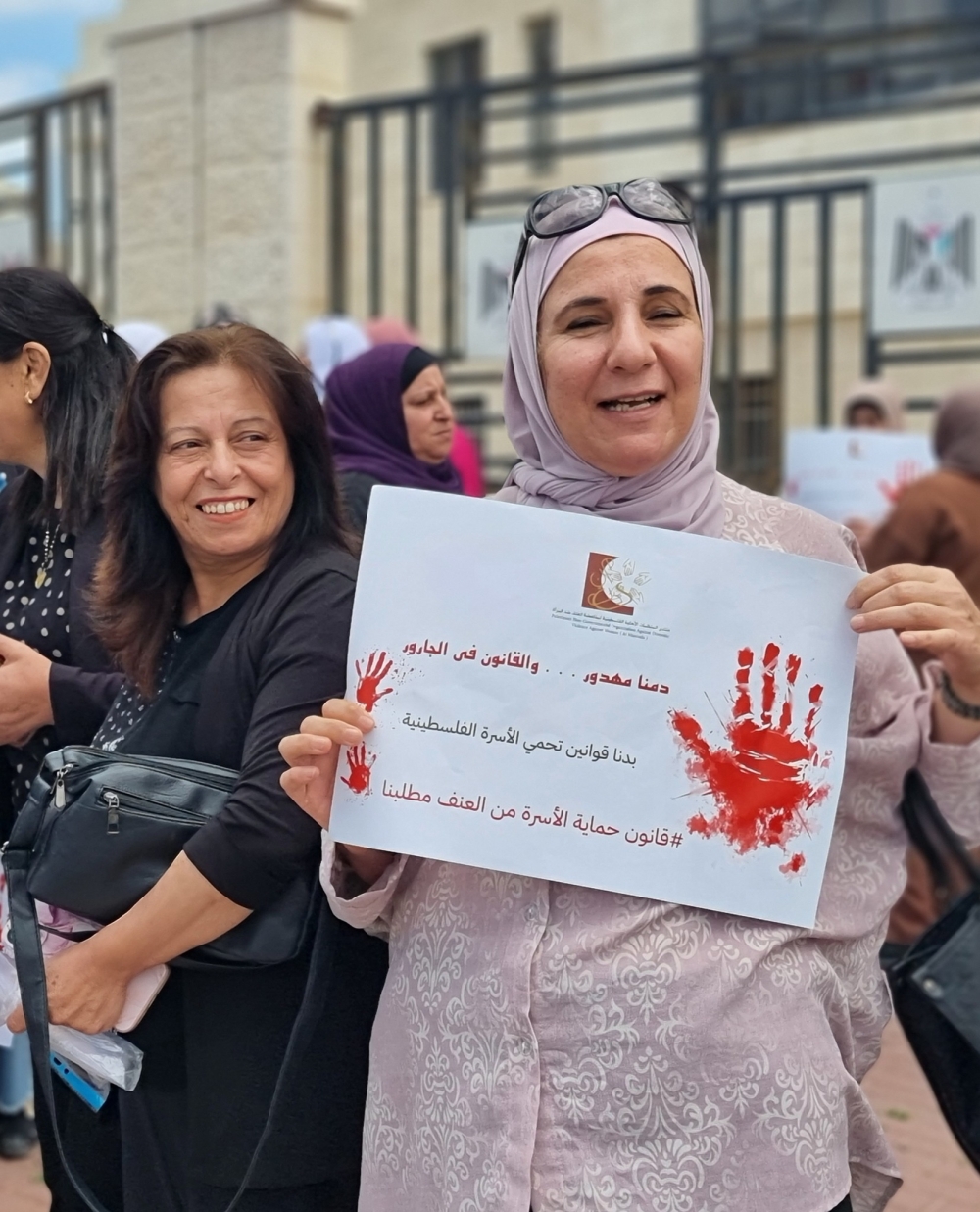
  • PWWSD provides legal aid and psychosocial counseling for survivors of GBV, while also advocating for legislation that protects women’s rights, such as the Family Protection Law.
CEDAW

Convention on the Elimination of All Forms of Discrimination Against Women

CEDAW — ratified by Palestine in 2014 — is the international bill of rights for women. PWWSD has built its entire institutional framework around implementing and monitoring CEDAW obligations across 12 key articles.

What is CEDAW?

PWWSD’s vision is rooted in CEDAW principles, operationalized through:

• Legal Reform Advocacy: PWWSD calls for the publication of CEDAW in the official gazette and for harmonizing Palestinian laws—such as personal status law and the penal code—with CEDAW standards. It engages decision‑makers through policy dialogue and evidence‑based advocacy.

• Reporting and Monitoring: PWWSD contributes to shadow/parallel reports to the CEDAW Committee, ensuring Palestinian civil society perspectives are represented in international accountability mechanisms. It monitors compliance, documents gaps, and elevates recommendations for effective implementation.

 • Awareness and Education: PWWSD embeds CEDAW principles in training for women, civil servants, and legal professionals to strengthen knowledge of gender equality rights. It develops user‑friendly materials and community outreach initiatives to expand understanding and uptake.

 • Intersectional Approach: PWWSD addresses discrimination in multiple forms, with particular attention to rural women, women with disabilities, and survivors of GBV—reflecting CEDAW’s comprehensive anti‑discrimination mandate and the right to access services, justice, and participation.

  • 189 countries have ratified CEDAW
  • Palestine ratified in April 2014
  • 30 articles covering all aspects of rights
Women Implementing CEDAW
Environmental Justice & Sustainability

PWWSD also integrate environmental justice across our programming: supporting green jobs for women, promoting WASH and eco‑agriculture in rural areas, and building climate resilience into service delivery and rights‑based advocacy.
At its heart, PWWSD is a movement of women for women. We are driven by the everyday courage of Palestinian women who, despite systemic injustice, raise their voices, care for their families, protect their communities, and demand a future of freedom and equality.
We invite our partners to walk alongside us—to invest not just in projects, but in the power of Palestinian women to rebuild society, restore rights, and reshape their futures.

Key CEDAW Articles We Implement

Art. 1

Definition of Discrimination

Using the CEDAW definition to analyze and challenge all forms of direct and indirect discrimination against women in Palestine.

Art. 2

Obligations of States

Advocacy for constitutional and legislative reform to eliminate discrimination against women in Palestinian law.

Art. 3

Development and Advancement

Ensuring development programs are gender-responsive and that women benefit equally from all development initiatives.

Art. 5

Social and Cultural Patterns

Programs challenging harmful gender stereotypes, patriarchal norms and discriminatory social practices.

Art. 6

Trafficking and Exploitation

GBV services, safe houses and legal protection for women at risk of trafficking and sexual exploitation.

Art. 7

Political and Public Life

Leadership programs building women capacity to run for office and participate in political decision-making.

Art. 10

Education

Non-formal education, literacy, and vocational training programs ensuring equal educational opportunity for women and girls.

Art. 11

Employment

Advocacy for equal pay, maternity rights, and non-discriminatory employment policies, paired with livelihood programs.

Art. 12

Health

Sexual and reproductive health rights programs, psychosocial support and referral pathways for women in need.

Art. 14

Rural Women

Targeted programs for women in rural and agricultural communities, including in Area C and border villages.

Art. 15

Equality Before Law

Legal literacy programs and free legal aid ensuring women know and exercise their rights under Palestinian law.

Art. 16

Marriage and Family

Combating child marriage, supporting divorce and custody rights, and reforming discriminatory personal status laws.

INTERNATIONAL COMMITMENTS

The Full Framework of Our Commitments

Beyond the SDGs and CEDAW, PWWSD work is grounded in a comprehensive system of international norms, conventions and resolutions that together define the global standard for women rights.

UNSCR 1325

Women, Peace and Security — 2000

PWWSD operationalizes UNSCR 1325 across the Women, Peace, and Security pillars — participation, prevention, protection, and relief and recovery — through sustained advocacy, community-led organizing, survivor-centered services, and capacity building.

Beijing Platform for Action

12 Critical Areas of Concern · 1995

The 1995 Beijing Declaration committed governments to a comprehensive agenda for women's empowerment across 12 strategic objectives. PWWSD's programs directly address 9 of these critical areas, with particular focus on violence against women, women in power, education, health and economic participation.

CEDAW Optional Protocol

Individual Complaints Mechanism

Allows women to bring complaints directly to the CEDAW Committee. PWWSD informs women of this right and supports documentation of violations.

Convention on the Rights of the Child

CRC — Girls Rights

Protecting girls from child marriage, violence, discrimination and exclusion from education — addressing the intersecting vulnerabilities of gender and age.

Istanbul Convention

Council of Europe — VAW Prevention

Europe most comprehensive legal framework for preventing violence against women. PWWSD aligns its GBV programs and legislation advocacy with Istanbul Convention standards.

Universal Declaration of Human Rights

UDHR — Foundation of Our Work

The foundation of all international human rights law. PWWSD anchors every program in the fundamental principles of dignity, equality and non-discrimination enshrined in the UDHR.

Agenda 2030

Leave No One Behind

The 2030 Agenda principle of leaving no one behind — especially women in conflict, marginalized and occupied communities — guides target group selection and program design.

UNSCR 2242

WPS — Counter-terrorism and CVE

Builds on UNSCR 1325 — integrating women, peace and security into counter-terrorism. PWWSD ensures Palestinian women perspectives are centered in security discourse.

Accountability in Action

See How We Report Against These Frameworks

Our annual reports and impact dashboard show exactly how PWWSD work delivers on SDG, CEDAW and international commitment targets.